Camera brackets look simple, but they affect installation speed, camera angle, cable protection and long-term maintenance. For installers and distributors, the right bracket is not only a piece of hardware. It is part of the whole installation plan. A good bracket should match the camera type, mounting surface, installation direction, outdoor environment and packing requirement. When these details are clear before ordering, quotation is faster and the chance of buying the wrong model is much lower.
Start with the mounting position
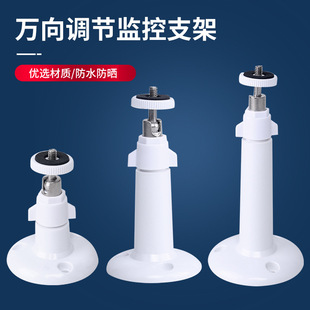
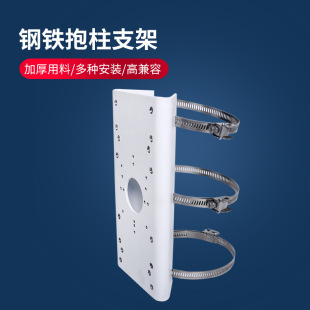
The first question is where the camera will be installed. Wall mount brackets are used for vertical walls, building corners, shop fronts and outdoor perimeter areas. Ceiling mount brackets are used under eaves, indoor ceilings, corridors, warehouses and parking areas. Pole mount solutions are used when the camera needs to be fixed to a round pole, square post, street column or utility pole. A pole installation normally needs a plate, hoop clamp or stainless steel strap, not just the camera bracket itself.
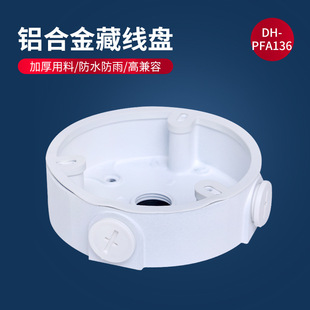
For dome cameras, many buyers also need junction boxes or cable-hiding bases. These boxes make the installation cleaner and help protect cable joints. For bullet cameras or small fixed cameras, installers may choose a short plastic bracket for indoor jobs or a stronger metal wall bracket for outdoor projects. For PTZ and speed dome cameras, the bracket needs stronger load capacity and a more stable wall base.
Choose the right material
Plastic and ABS brackets are usually used for small cameras, indoor installations and price-sensitive projects. They are light, easy to pack and suitable for common residential or small shop installations. Aluminum alloy brackets are a good middle option for most CCTV projects. They are stronger than plastic, resistant to rust and suitable for many wall, ceiling and outdoor applications. Stainless steel parts are usually used for pole mounting plates, hoop clamps and outdoor projects where rain, sun and corrosion are important concerns.
Material choice should match the project environment. For indoor ceiling cameras, plastic or aluminum may be enough. For outdoor cameras on walls, aluminum is usually safer. For pole mounting in coastal, rainy or industrial areas, stainless steel hoop clamps and stronger mounting plates are better choices.
Check dimensions before ordering
Installers should confirm bracket height, base diameter, screw hole spacing, camera screw size and load capacity before placing an order. These details decide whether the bracket can match the camera body and mounting surface. A bracket that looks similar in photos may still have a different base size or screw pattern. For distributors, it is useful to keep several common bracket sizes in stock because installers often need quick replacements or mixed cartons for daily jobs.
Camera weight is also important. Small fixed cameras do not need heavy brackets, but large bullet cameras, housings, PTZ cameras and speed domes need stronger arms and bases. If the camera will be installed outdoors, wind, vibration and long-term exposure should also be considered.
Match bracket type to camera type
- Small bullet cameras: plastic or aluminum wall mount brackets.
- Dome cameras: junction boxes, ceiling bases or wall adapter plates.
- PTZ and speed dome cameras: heavy-duty wall mount brackets or pole mount assemblies.
- Solar or wireless cameras: adjustable brackets with flexible angle control.
- Pole installations: pole mount plates plus hoop clamps or stainless steel straps.
Information to send for RFQ
For a fast quotation, send the camera type, mounting position, material preference, bracket height or base size, screw hole spacing, quantity and destination market. If you already have a camera model, product photo or reference bracket, include it. This helps us suggest suitable alternatives, packing quantity, mixed-carton options and lead time.